
How to Keep a Cat Off the Counter
If you have a cat, you probably already know that “off-limits” doesn’t always mean much to them. Kitchen counters, in particular, seem to have a special kind of appeal. One minute, your cat is lounging on the couch, and the next, they’re perched beside the cutting board, watching everything you do. Cats are naturally curious and love being up high. The key is to understand what makes your counters so appealing and give your cat a better alternative. With a little consistency, you can keep your cat off the counter while still keeping your kitchen comfortable and cat friendly.
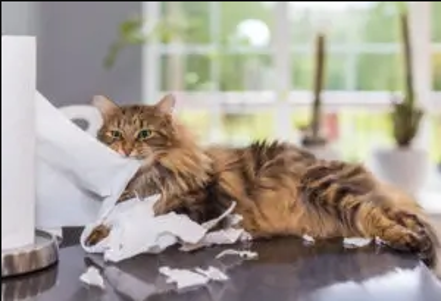
Why Cats Love Kitchen Counters
To stop cats jumping on counters, you must first understand what motivates them. Felines are hardwired with specific instincts that make your kitchen island highly attractive:
- The Ultimate Vantage Point: Felines possess a wild instinct to seek high territory to survey their surroundings and feel safe. Kitchen surfaces are often the most stable, accessible elevated zones in the house.
- The Scent of Food: Countertops are where meals are prepped, and leftovers linger. Your pet’s powerful nose will guide them straight to the source of savory smells.
- Fascinating Moving Water: Sinks and dripping faucets are highly appealing to curious pets who prefer running water over a stagnant bowl.
- Sturdy Construction: Unlike flimsy furniture, a solid stone slab feels incredibly safe and secure under their paws when they land.
Why Counter Surfing Can Be a Problem
As cute as those curious little faces can be, having your cat walk across the kitchen counter isn’t always ideal. Cats can carry litter, dirt, and other debris on their paws. But, beyond the obvious hygiene issues of mixing pet paws with human food prep, the kitchen can actually be a pretty dangerous place for your pet.
Think about it: hot stove burners, sharp knives left on cutting boards, and open flames are all recipes for a sudden vet visit. There are also plenty of common foods, like onions, garlic, grapes, and chocolate, that are highly toxic to felines.
But also, from a home care perspective, materials like granite and quartz are incredibly tough, persistent jumping, landing, and sliding can cause minor micro-scratches over time or dull the seal on your beautiful stone. Keeping them grounded is truly a win-win for everyone.
Remove What Attracts Your Cat
One of the easiest ways to keep a cat off the counter is to make the counter a little less interesting. Start with the obvious. Don’t leave food sitting out. Wipe up crumbs and spills, put leftovers away, and keep dirty dishes from becoming an overnight attraction.
If your cat loves drinking from the kitchen faucet, try a pet water fountain instead. If they enjoy watching you cook, consider putting a cat tree or perch somewhere nearby. That way, they can still keep an eye on you without sitting next to the cutting board. Instead of just taking something away, focus on giving them a better option.
Use Positive Cat Behavior Training
Here is a golden rule of pet parenting: screaming, clapping, or blasting your cat with a spray bottle doesn’t work. It usually just makes them afraid of you, and they will quickly learn to just jump on the counter the second you leave the house! Instead, use positive cat behavior training to show them where they should go.
- Give Them a Better View: You can’t change a cat’s biological urge to be high up, so give them an approved alternative. Place a tall, sturdy cat tree or a comfy barstool right near the edge of the kitchen.
- Reward the Right Choices: When your cat chooses to sit on their designated stool or cat tree instead of the island, shower them with praise and their absolute favorite treats. They will quickly realize: “Hey, sitting here gets me snacks, but sitting on the counter gets me ignored.”
- Try Clicker Training: Clicker training is a fantastic way to communicate. If your cat is on the counter, toss a treat on the floor. The exact second their paws touch the ground, click your training clicker and praise them. Eventually, they will happily hop down just at the sound of the click.
How to Cat-Proof Kitchen Counters
While your pet is learning, implement passive environmental deterrents. Because these are built into the surroundings, your cat will blame the counter rather than you:
- Aluminum Foil: Line counter edges with sheets of foil. Cats dislike the crinkly sound and texture under their paws.
- Double-Sided Tape: Applying lines of pet-safe sticky training tape to the edges creates a tacky sensation that felines find highly unappealing.
- Citrus Scents: Felines possess a highly sensitive sense of smell and universally dislike citrus. Cleaning your stone with pet-safe, lemon- or orange-scented formulas serves as a natural deterrent.
Solutions for Persistent Counter Jumping
For stubborn climbers, increase mental stimulation and environmental barriers:
- Puzzle Feeders to the Rescue: Boredom is a huge reason cats get into mischief. Keep a treat-dispensing puzzle toy on the kitchen floor to keep their brains and paws busy while you cook.
- The “Hunt, Eat, Groom, Sleep” Routine: Play hard with a feather wand right before dinner. Mimicking a real hunt tires them out, meaning they will be much more interested in eating their food and taking a long nap on the couch than exploring your stove.
- Block the Zone: When all else fails, use tall pet gates or close doors to keep them out of the kitchen area entirely when you aren’t around to supervise.
Protect Your Investment with Signature Marble & Granite
For homeowners looking to keep a cat off the counter in Utah County, Salt Lake County, Davis County, Summit County, or Weber County, Signature Marble and Granite can help create a kitchen that is durable enough to keep up with your life. Our team specializes in granite, quartz, quartzite, marble, and porcelain countertops, with a focus on quality. Contact us today to explore countertop options and find the right one for your home.
FAQs About Keeping Your Cat Off the Countertop
Why Does My Cat Only Jump on the Counter When I Am in the Kitchen?
This is typically attention-seeking behavior. Your cat knows that climbing to eye level makes it impossible for you to ignore them. Even negative attention, like being shooed away, is viewed as a successful interaction.
Do Certain Cat Breeds Tend to Counter Surf More Than Others?
Yes. High-energy, highly intelligent, and athletic breeds, such as Bengals, Abyssinians, Siamese, and Savannah cats, require significantly more vertical space and mental enrichment to keep them grounded.
How Long Does It Typically Take to Train a Cat to Stay Off Counters?
With consistent positive reinforcement and strict environmental management, most owners notice a significant change in behavior within two to four weeks.
Can Senior Cats Still Be Trained to Avoid Countertops?
Yes. However, if a senior cat suddenly starts counter surfing out of nowhere, consult your vet to rule out underlying medical issues. For older pets with arthritis, ensure their custom alternative perches have easy-to-climb ramps.
Are Motion-Activated Deterrents Safe for Cats?
Yes, provided you use humane options. Devices that detect movement and emit a quick, harmless puff of compressed air are excellent for startling them away safely without causing pain or stress.