
How to Remove Stains from Granite Countertops
You wipe up a spill from your countertop, clean the granite, and expect the darker area beneath it to disappear once the surface dries. But when the discoloration is still there later, you may be looking at something the stone absorbed rather than a mess left sitting on top.
So, let’s determine exactly what you’re seeing before you try to remove stains from your granite countertops. In this article, our countertop specialists will help you distinguish a true stain from trapped moisture or damage to the finish, then choose a treatment that won’t make the problem worse.
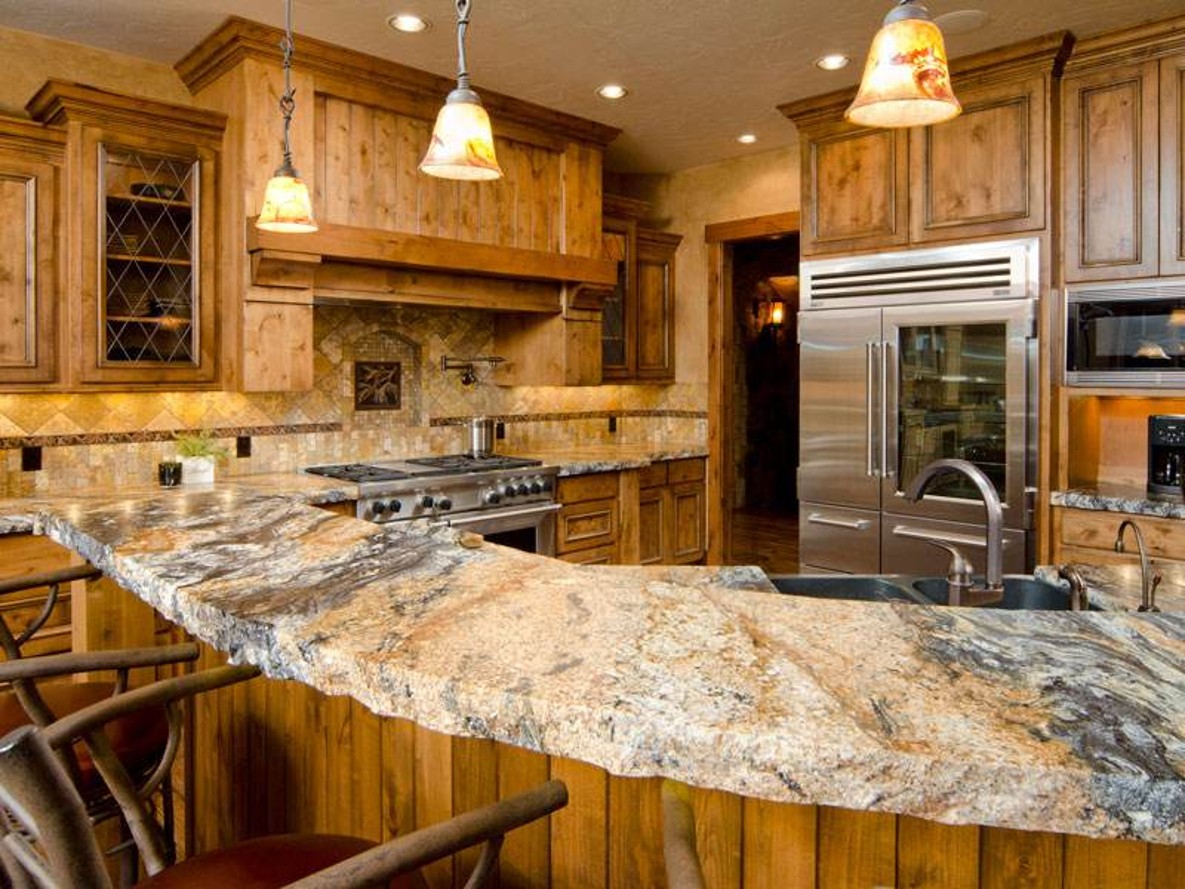
Why Granite Countertops Develop Stains
Granite is able to withstand many, many years of everyday use, but its natural pores can still absorb liquids that have time to sit on the surface. When it’s given a sealer, you’ll have more time to clean up a spill but just keep in mind that it can’t make the stone completely stain-proof.
Things like cooking oil, coffee, wine, cosmetics, and other substances may eventually seep beneath the surface and leave some of their color behind. So, you may notice some stains on your granite countertops more quickly when the sealer has worn down, or the stone naturally absorbs moisture at a faster rate.
Stain or Etch? Identify the Problem Correctly
Before deciding how to remove granite stains, take a closer look at the color, texture, and location of the impacted area. What you find will help you determine whether cleaning, drying, or professional refinishing is the appropriate response. Here’s what you can do for some of the most common stains in granite:
Absorbed Stains
Oil and other absorbed liquids usually make granite look darker. Coffee, wine, and deeply colored foods may leave brown, red, or yellow discoloration that follows the shape of the original spill.
Surface Residue
Dried food, soap, grease, and mineral buildup remain on top of the granite. You may be able to feel a sticky, slick, raised, or chalky texture when you run your fingers across the area.
Trapped Moisture
Water can temporarily darken granite around sinks, faucets, seams, and recently cleaned areas. Give the countertop time to dry completely before applying a stain treatment.
Etch Marks
An etch affects the finish rather than leaving color behind. The area will usually look lighter, duller, or rougher under direct light. Cleaning and poultice treatments won’t restore that damaged finish.
Start With Proper Granite Countertop Cleaning
Some discoloration will come away during ordinary granite countertop cleaning. If the granite still looks darker after it dries, you can use a natural-stone poultice formulated for the substance that caused the stain.
- Blot Any Remaining Liquid – Press a clean white cloth over the spill so you absorb the moisture instead of spreading it across more of the granite.
- Wash the Area – Use warm water and a pH-neutral cleaner labeled for granite. Work gently across the entire affected area with a soft cloth.
- Rinse and Dry the Granite – Remove all traces of cleaner with fresh water. Then let the countertop dry completely so lingering moisture doesn’t interfere with what you see.
- Select the Appropriate Poultice – Choose a granite-safe poultice formulated for oil, food, ink, or whichever substance created the stain. Follow the product instructions rather than substituting an unapproved household chemical.
- Cover the Stain – Spread the prepared paste about 1/4 inch thick and extend it slightly past the discolored area. Cover it with plastic wrap, secure the edges with painter’s tape, and add a few small ventilation holes.
- Let the Poultice Dry – Keep the treatment in place for the full period listed on the product label. Many poultices need 12 to 24 hours to dry and draw absorbed material toward the surface.
- Remove the Poultice – Lift the plastic and use a plastic scraper to gently remove the dried paste. Clean the granite again, then give it enough time to dry before evaluating the result.
- Repeat the Treatment if Needed – Deep stains, especially those caused by oil, may lighten gradually over several applications. If you aren’t seeing any improvement, have a stone specialist examine the area before trying another product.
Granite Maintenance Tips to Prevent Future Stains
You can’t always stop something from spilling, but you can certainly reduce how much time liquid has to settle into your granite. Consider some of these granite maintenance tips so you can stay ahead of stains in the future:
- Blot Spills When They Happen – Press a clean cloth over the liquid as soon as you find it, especially when you’re cleaning up oil, wine, coffee, or another deeply colored substance.
- Dry Wet Areas – Wipe away water that collects around your sink, faucet, seams, and soap dispenser before the granite has time to absorb it.
- Use Granite-Safe Cleaners – Clean the surface with a pH-neutral product made for natural stone, then rinse away any residue the product leaves behind.
- Check the Sealer – Follow the sealer manufacturer’s directions for testing the granite rather than assuming it needs another coat after a certain number of months.
- Reseal When Necessary – Apply a compatible granite sealer when testing shows that the stone is absorbing water faster than it should.
Cleaning Products to Avoid Granite
Reaching a stronger product may seem like the quickest way to handle a stubborn stain. But if those cleaner damage the sealer or polished finish, you could end up with a dull area that stays that way well after the original discoloration is gone.
It’s always best to avoid vinegar, lemon juice, general-purpose limescale removers, abrasive powders, and rough scrubbers during routine care. You’ll also want to keep any unverified solvents and oil-based cleaners away from the surface. And never attempt to combine cleaning chemicals!
Professionals sometimes use stain-specific chemicals with a poultice to give granite a controlled treatment, but that doesn’t make those products safe for general cleaning.
Protect Your Granite with Signature Marble and Granite
A successful stain treatment can restore the colors and rejuvenate all those mineral details that first drew you to that beautiful appearance of your granite. But if some old discoloration or finish damage continues to distract you every time you enter the room, you may be ready to choose a new slab that gives the space entirely its own.
As Northern Utah’s renowned source for custom-crafted stonework, Signature Marble and Granite is here to help. Our countertop experts can help you understand what you’re seeing before you try another treatment.
So, if you have questions about maintenance for your granite countertops, we have answers. But if permanent damage has you considering a new countertop, get in touch with us today. We’ll provide a complimentary estimate and help you compare all the stunning options we have available so you can decide what you want to see in your kitchen or bathroom.
Granite Stain Removal: Frequently Asked Questions
Can Months-Old Granite Stains Still Be Removed?
Sometimes, they can. The result will be influenced by what caused the stain, how far it entered the granite, and which treatments have already been used. A granite-safe poultice may still lighten an older stain, though you could need several applications. Ask a stone professional to examine any discoloration that doesn’t improve.
Why Does Granite Look Darker After Treatment?
The water or cleaning solution from a poultice can temporarily darken porous granite. Let the countertop dry completely before judging the result, which may take longer than the surface alone suggests. If the dark area remains or keeps returning near a sink or seam, check for a continuing source of moisture before applying another treatment.
How Many Poultices Do Deep Oil Stains Need?
There isn’t one number that applies to every stain. Deep oil stains on granite countertops often lighten gradually, so you may need to repeat the poultice treatment several times. Let the granite dry fully after each application and compare the affected area with the surrounding stone. If the color stops improving, ask a stone professional what to try next.
Can Granite Stain Removal Affect the Finish?
It can if you use a chemical, cleaner, or tool that isn’t appropriate for granite. Abrasive pads can scratch the polish, and acidic products may dull the finish or weaken the sealer. Follow the instructions for a granite-safe poultice and stop if the treated area loses more shine or develops additional discoloration.
Can Moisture Near Sinks Look Like a Stain?
Absolutely. Granite may darken after it absorbs water around a sink, faucet, seam, or damaged caulk line. The usual color should gradually return as the stone dries. If that dark area keeps coming back, find and address the source of the moisture before treating it as an absorbed food or oil stain.