Etching on Granite Countertops
Granite countertops are prized for their durability and natural beauty. Northern Utah homeowners choose them because they resist scratches, withstand high heat, and last for decades. Yet even granite has a weakness: etching.
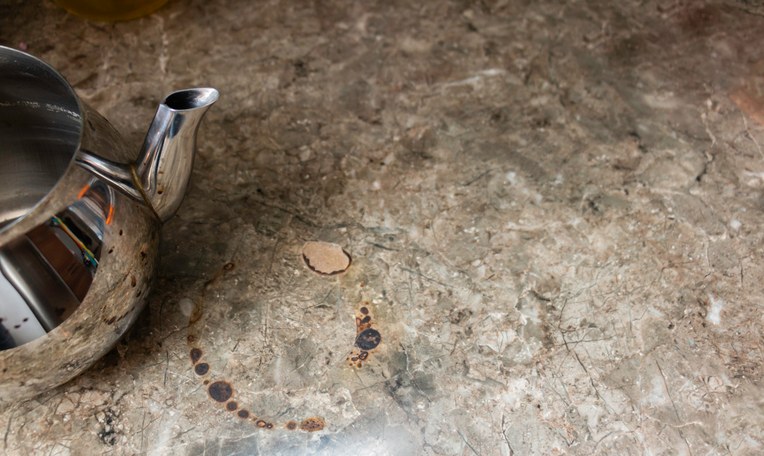
Etched granite countertops look dull, cloudy, or stained, disrupting the elegance and shine you love. This can leave you feeling frustrated, especially when you’ve invested in a premium kitchen or bathroom surface. The good news is that etching is preventable, and even if it does occur, the countertop can often be restored—no replacement necessary.
What Is Granite Etching?
Etching is a surface-level change caused by a chemical reaction. The minerals in granite react when exposed to acidic substances or harsh cleaning chemicals. The reaction eats away at the polished finish, creating hazy marks or light areas.
Etch marks on granite are often mistaken for stains, but they’re different. A stain occurs when a substance seeps into the stone, but etching changes the actual surface of the granite. Repeated exposure to the etching compound may leave your countertops looking patchy and uneven.
What Causes Etching on Granite?
Cooking a meal, preparing a drink, or using the wrong cleaner may be the source of small but noticeable marks on your granite countertops. Here are some specific culprits to watch out for:
- Acidic foods and drinks: Lemon juice, tomatoes, vinegar, and wine are among the biggest offenders. Even a small splash left unwiped can leave etch marks behind.
- Harsh cleaning products: Many cleaners designed to disinfect or cut through grease contain harsh chemicals, such as ammonia or bleach. While safe for non-porous surfaces like glass, tile, and appliance exteriors, these chemicals break down the granite’s finish and may etch the stone beneath.
- Worn or inadequate sealer: Granite is naturally porous, so the crew will seal it on installation day. However, as it wears off, the bare stone becomes exposed to etching.
- Abrasive cleaning tools: Brillo pads and steel wool can strip away a countertop’s protective seal, leaving the surface more vulnerable to damage.
How to Prevent Etch Marks on Granite
The combination of acidic spills and improper maintenance is the most common reason homeowners notice etched granite countertops. Fortunately, it’s possible to keep these surfaces looking as good as the day they were installed. Simply take these precautions:
- Use a cutting board: Granite is tough, but it’s no substitute for a cutting board. Slice and dice on a wooden or plastic surface to protect the counter, especially when handling acidic foods like lemons and tomatoes.
- Wipe spills quickly: Life gets busy, and it’s easy to leave a spill for later. The problem is that liquids like wine and vinegar can etch granite in a surprisingly short amount of time. Keeping a soft cloth nearby while cooking or pouring drinks makes it easy to clean up right away before any harm is done.
- Keep the surface sealed: Granite sealer reduces the risk of stains and etching by adding a protective layer over the stone. Depending on usage, resealing may be needed every two to five years. To test your countertops, pour a small puddle of water onto the surface. If the water beads up, the seal is intact. If it soaks in after 10 to 15 minutes, it’s time to reseal.
- Choose granite-safe cleaners: Most all-purpose cleaners are not designed for natural stone. Instead of reaching for a spray, clean up everyday messes with mild dish soap and a damp cloth. For disinfection, mix equal parts 70% isopropyl alcohol and water in a spray bottle. Spray the granite lightly and let it sit for three to five minutes. Then, wipe clean with a soft cloth. Barkeeper’s Friend Granite & Stone Cleaner is also safe to use. This mild abrasive has a neutral pH, allowing it to clean effectively without weakening the protective sealant or reacting with the minerals in the stone.
- Avoid harsh scrubbing pads: When it comes to cleaning, a washcloth, paper towel, microfiber cloth, or sponge is best. Avoid abrasive tools that may cause etching or other problems.
How to Remove Etch Marks from Granite
Sometimes, etching still occurs despite your best efforts. Luckily, you can often restore etched granite countertops without replacing the stone. Here’s how to bring back that original shine:
- Clean with a granite polish: For light etching, apply a granite polish to restore luster, minimize the appearance of dull spots, and enhance the stone’s natural colors.
- Use a granite repair kit: Each kit typically contains a polishing compound and application pads. This approach works well for minor etch marks, allowing you to buff the surface and restore the finish.
- Professional restoration: Deep etching requires more than a polish. A stone care professional can resurface the countertop using specialized equipment. This process removes the damaged layer and reveals the fresh, polished stone underneath. Professionals then reseal the granite to create a consistent, even finish across the entire surface.
- Reseal regularly from now on: Once repairs are complete, keep your granite countertop safe from future etching by maintaining a regular resealing schedule. This simple maintenance step protects your countertops from everyday use and adds years to your investment’s lifespan.
Schedule Granite Countertop Repair in Northern Utah
Etch marks on granite countertops aren’t worth getting upset over. With the right repair products and techniques, you may be able to tackle minor etching yourself. For deeper or more widespread damage, we recommend professional restoration to revitalize and protect your countertops. For expert granite etching repair in Springville or the broader Northern Utah area, please contact Signature Marble and Granite. We’re ready to restore the elegance of your stone surfaces.