
Porcelain Countertops: Pros, Cons, Cost & Is It Right for Your Kitchen?
Porcelain Countertops: Pros, Cons, Cost & Is It Right for Your Kitchen?
Porcelain countertops have gained traction among homeowners seeking a sleek, modern surface that’s both stylish and durable. It’s long been used for tile and flooring and is now being manufactured in large-format slabs that rival natural stone in appearance and performance. Aesthetics matter in kitchens, which makes porcelain a compelling option. But like any material, it comes with trade-offs. Understanding how porcelain is made, how it performs, and how it compares to other surfaces can help you decide if it fits your space and lifestyle.
What Is Porcelain?
Porcelain is a dense, engineered ceramic material made by firing refined clay at extremely high temperatures. This process creates a non-porous, hard surface that is highly resistant to moisture, stains, and heat. Everything you need is on the kitchen counter surface. Unlike traditional ceramics, porcelain is produced under higher pressure and heat, making it a stronger, more refined material. In countertop applications, porcelain is typically fabricated into large, thin slabs that can resemble natural stone, concrete, or even wood grain.
What Materials Are Used in Porcelain Countertops?
A porcelain kitchen countertop is made from natural raw materials, but it’s engineered for performance. After being fired at temperatures exceeding 2,000°F, it forms a surface that’s extremely dense and resistant to environmental wear. Key components include:
- Kaolinite clay, which forms the base structure
- Feldspar, which helps with vitrification and strength
- Silica, which contributes to hardness and durability
- Mineral oxides, used to create color and pattern variations
Pros of Porcelain Countertops
Porcelain offers several advantages that make it appealing for kitchens. From an aesthetic standpoint, you end up with a highly attractive surface that requires minimal upkeep. Benefits of this choice include:
- Heat Resistance – Handles high temperatures without scorching or discoloration.
- Non-Porous Surface – Resists stains, bacteria, and moisture without sealing.
- UV Resistance – Maintains color even in direct sunlight, ideal for outdoor kitchens.
- Lightweight Slabs – Easier to install compared to thicker stone materials.
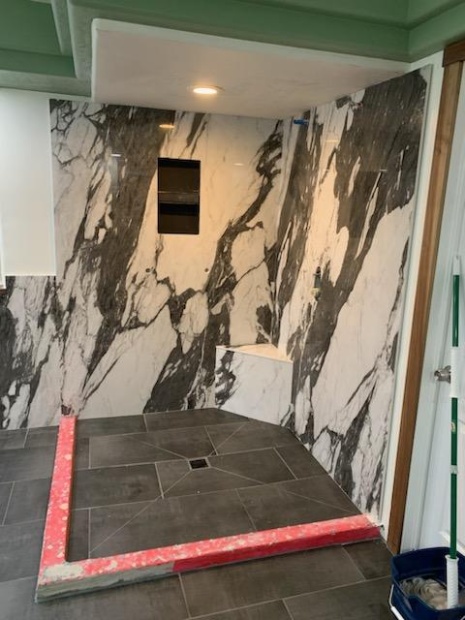
- Design Flexibility – Available in a wide range of patterns, including realistic marble and stone looks.
- Scratch Resistance – Hard surface holds up well against daily use.
Cons of Porcelain Countertops
Despite its benefits, porcelain does have some characteristics you should be aware of before making a decision. It will help set realistic expectations. These include:
- Edge Vulnerability – Thin slabs can be more prone to chipping along edges.
- Limited Thickness – May not offer the same substantial look as thicker stone countertops.
- Fabrication Complexity – Must be installed by experienced professionals.
- Repair Difficulty – Chips or cracks can be harder to repair than in natural stone.
- Cost Variability – Premium designs and installation can increase overall investment.
How Porcelain Compares to Other Countertop Materials
Porcelain stands out in certain areas but differs from other popular options in meaningful ways. It’s often chosen for its balance of durability, modern design, and low maintenance, especially if it will be exposed to consistent high heat or sunlight. Other countertop options include:
- Granite – Offers natural variation and thickness but requires periodic sealing; heavier than porcelain.
- Quartz – Engineered for consistency and durability but less heat-resistant than porcelain.
- Marble – Known for luxury appearance but more prone to staining and etching.
- Solid Surface – Seamless and repairable, but less heat- and scratch-resistant.
Maintenance and Care Tips
Porcelain countertops are relatively easy to maintain, making them ideal for busy households. With proper care, you can maintain your counter’s appearance for years without specialized treatment. General cleaning tips include:
- Clean with mild soap and water for everyday use
- Avoid abrasive pads that could dull the finish over time
- Use cutting boards to protect edges from impact damage
- Wipe spills promptly, even though the surface resists staining
- Inspect edges periodically for chips, especially in high-traffic areas
Cost and Investment Overview
Compared with other countertop options, porcelain is generally considered a mid- to high-range investment, depending on the design and installation complexity. But if you prioritize longevity and minimal upkeep, it pays you back overtime. Typical considerations include:
- Material cost comparable to mid-range quartz or granite
- Installation costs may be higher due to specialized fabrication
- Large-format slabs can reduce seam visibility but may increase pricing
- Long-term savings from low maintenance and durability
Frequently Asked Questions
Porcelain slabs are created by compressing natural minerals and firing them at extremely high temperatures. This process produces a dense, durable, and non-porous surface.
Porcelain is made from natural raw materials like clay and minerals, but it’s engineered through a manufacturing process to enhance strength and performance.
Yes, porcelain is food-safe because it’s non-porous, which resists bacteria and doesn’t require sealing.
Cleaning is simple and requires only mild soap and water. The surface resists stains and doesn’t absorb liquids.
If you’re wondering how to remove stains from porcelain countertops, remember to clean them early, scrub gently, and always dry the spot. Porcelain is virtually non-porous, so something like red wine won’t soak in. Most surface stains can be removed with dish soap and warm water. A tougher surface stain might require a baking soda paste.
Work With Signature Marble and Granite
Choosing the right porcelain countertops for your kitchen is easy with Signature Marble and Granite. We work with homeowners throughout Utah County, Salt Lake County, Davis County, Summit County, and Weber County, UT to deliver modern, durable solutions with professional installation. Schedule a consultation with our team to discuss selecting the right slab and which materials might be best for your goals. We want to help you choose a countertop that meets your vision and functional needs.